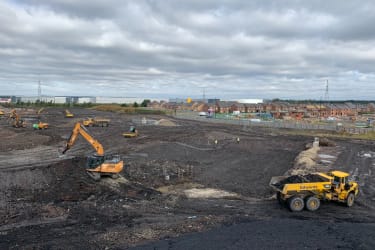
Understand your land – and cut your costs
With developers, builders and subcontractors alike feeling the pressure amid ambitious housing targets and rising costs, finding suitable land for new homes has never been more important.
But the UK’s geographical and environmental diversity means identifying, securing and preparing potential sites is no mean feat in a competitive marketplace.
No surprise, then, that developers continue to explore a wide variety of land types.
Brownfield, grey belt and greenfield sites each come with their own unique challenges that developers must be aware of long before ground has been broken.
Yet these land classifications can sometimes be misunderstood, leading to misconceptions in the media or opportunities missed by investors.
So what actually are brownfield, grey belt and greenfield sites? What are the development risks of each? And what you can do as a developer to manage them?
Brownfield
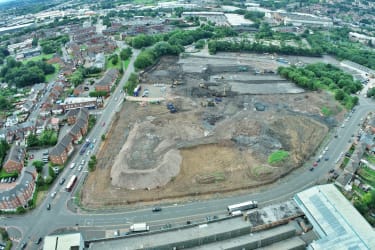
Brownfield sites are typically found in urban or semi-urban areas of the country.
The definition is simple: brownfield land is land that has previously been developed.
That can sometimes, however, be where the simplicity ends; redevelopment may require the demolition of existing structures or the clean-up of contamination, for example.
But with recent research suggesting there is enough brownfield land to build 1.41 million homes in England – with 55% of these sites already holding planning permission – it’s no surprise that developers are recognising their advantages, too.
Greenfield
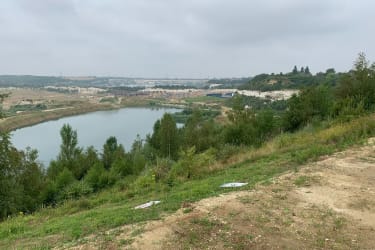
Greenfield land is undeveloped and typically free from any previous structures.
It’s normally (but not always) found in rural areas, often including agricultural fields, pastures and farmland.
As such, greenfield sites can give developers greater freedom – although that doesn’t mean they are entirely without risks.
Grey belt

To the average layperson, grey belt land is something of a grey area.
In essence, it refers to land within designated green belt zones that is deemed to be of low quality and low environmental importance.
The distinction there matters; ‘green belt’ areas are not the same as ‘greenfield sites’, instead being parts of England specifically marked as unavailable for development in order to protect the countryside from urban sprawl.
While these belts may contain picturesque valleys, dales and forests, there are also some pieces of land that exist within their borders but provide – as the government defines it – “a limited contribution to the green belt’s purposes”.
Opportunities to develop these ‘grey belt’ locations are therefore unlocked, provided the land has at least one of the following features:
- It already contains substantial built development.
- It has minimal impact in preventing neighbouring towns from merging into each other.
- It is dominated by urban land uses.
- It does little to preserve the setting or character of historic towns.
There’s plenty to go around, too; it’s believed there is enough green belt that would qualify for release as grey belt land to deliver approximately 300,000 new homes.
Horses for courses
As ever, the risks of individual developments are always unique to their specific geography, history and context.
In general, though, there are differences in the kinds of challenges you can expect between brownfield, greenfield and grey belt sites.
When it comes to brownfield land, all sorts of murky secrets may lurk beneath the surface.
While existing structures and services that need to be assessed or demolished should hopefully be more readily apparent, investigations can unearth ground contamination that must be remediated or other issues such as filled land or buried materials.
Another unknown consideration is certain industrial structures or industrial relics that can be considered of archaeological importance. Such discoveries may cause significant delays and incur surprise costs; you don’t need to stumble upon ancient Roman villas to suffer an unexpected annus horribilis.
Green means go?
Of course, seemingly untouched greenfield sites can equally throw up hurdles before a hard hat has been donned.
Ecological constraints and the need to replace, re-create or enhance the natural environment through biodiversity net gain requirements can sometimes make development hard to facilitate or affect viability.
Assessing the impact of works on the landscape and visual beauty is one thing, but there’s also a higher chance of infrastructure gaps that require the creation of new roads, drainage systems and utilities.
Plans can change…
In the grey belt, meanwhile, the need for robust early assessment and planning advice is particularly exacerbated.
Planning statuses might be less certain, with limited clarity on what future policy changes may allow as rules and regulations evolve.
At present, there is likely to be a minimum expectation for affordable housing mix, typically applied at 50%, or more in some cases.
Mixed land quality can also mean conditions are closer to those on either greenfield or brownfield sites.
Getting it right first time
Regardless of where you’re thinking of developing, risk is unavoidable.
But understanding and managing the levels of risk you face can spell the difference between a successful, profitable project and a nightmare of delays and losses.
At a time when every penny counts, achieving cost certainty is more crucial than ever – so budgeting for identifying and tackling the risks your developments are likely to face is just as essential.
That’s why the golden rule is to undertake thorough due diligence early and investigate and assess land as soon as possible.
Ground investigations, surveys and planning assessments conducted well in advance mean you can get ahead of any problems before fixing them becomes more expensive.
Turn to the specialists
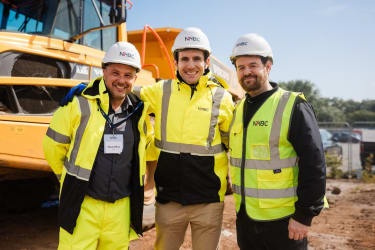
NHBC’s Land Quality Service removes uncertainty about whether a site is suitable for a future housing development.
In 2024, our team of geotechnical and geo-environmental engineers assessed land to enable the release of 12,000 plots – and they’re on hand to support you in meeting your targets, too.
Using a step-by-step process, these specialists start by reviewing your consultants’ initial desk studies, site investigations and risk assessments, adding value by highlighting any gaps that could affect warranty approval.
Once your team has made its plans, our team will then review them to make sure the on-site risks will be dealt with properly, advising on the need for further works or revision of solutions to achieve acceptance.
And when the ground has been remediated and prepared and engineering work is completed, we’ll examine your validation reports, drawings and documents to ensure that your site meets our land quality standards for warranty approval.
In our extensive experience, what may seem like a straightforward site can prove more complex once work gets underway.
By taking advantage of unique expertise from the UK’s leading warranty and insurance provider for new homes, you’ll get early confidence that helps you stay efficient, save time and manage costs.
From greenfield to brownfield or grey belt, every type of land carries risks.
But with the right preparation and support, there’s no need for your development to hit a red light.
Latest articles

The risks housing associations face – and how to tackle them

Our commitment to supporting subcontractors

Decades of change: The evolution of our Building Control service
